• Children learn French with joy from an experienced teacher.

Learning While Having Fun

Learn French at home: a child practising 15 minutes a day

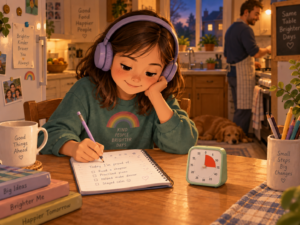
Learn French at Home: 15 Easy Minutes a Day for Kids

Français English 中文 Apprendre le français à la maison : 15 minutes par jour Vous voulez aider votre enfant à progresser, mais vos soirées sont déjà bien remplies. Bonne nouvelle : apprendre le français à la maison ne demande pas des heures. Quinze minutes par jour, chaque jour, font plus de chemin qu’une session de deux heures le dimanche après-midi.


Read More »
Two cartoon children flying through a swirling vortex of clocks, illustrating the French past tenses : imparfait vs passé composé

Imparfait vs Passé Composé: The Simple Method

“Hier, il pleuvait et je suis resté à la maison.” Why is pleuvait in the imparfait and suis resté in the passé composé, in the very same sentence? This is the single most common mistake French learners make, children and adults alike.

Read More »
Teaching French as a Foreign Language to Children Managing Difficult Students Online

Teaching French as a Foreign Language to Children: Difficult Students

Teaching French as a Foreign Language to children online is both an exciting and delicate adventure. Young learners sometimes react in unexpected ways: they may seem distracted, tired, or resistant. Yet behind every difficult behavior often lies a hidden message. The teacher’s goal is to decode this signal in order to better support the child.

Read More »
Origin of Word Genders in french

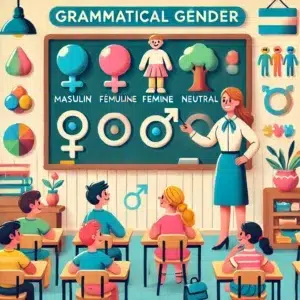
Origin of Word Genders in French: Masculine, Feminine, Neuter?

Français English 中文 Origine des genres des mots en français : Masculin, féminin, neutre ? Pourquoi dit-on une table mais un bureau ? Pourquoi certains mots changent-ils de genre avec le temps ? Et pourquoi l’anglais a-t-il supprimé presque tous les genres alors que d’autres langues en ont jusqu’à seize ? Le genre des mots en français semble parfois arbitraire,

Read More »